|
| (Google Image) |
By
Terry Orr
When Thunder roars, Go indoors!! That’s advice from the National Weather
Service. Also an expression my parents
would have embraced and used while I was growing up. My Dad said more than
once, “Boy, don’t you have enough sense
to come in from the rain?” I enjoyed
watching storms, especially those that might contain tornados.
Lightening on the other hand, got my undivided
attention. I still enjoy watching
thunderstorms – over the years I have gained a healthy respect for
lightening. The closest I have ever came
to a bolt, was about 50 feet and nearly lost all body functions, jumped
straight out of my chair during dinner.
Summer is the peak season for one of the nation's
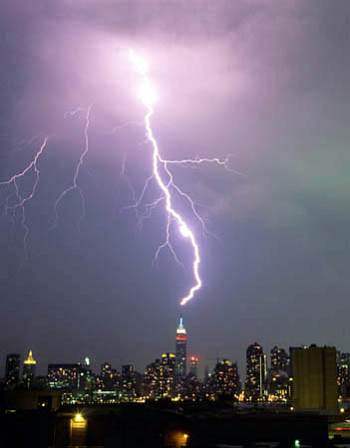
deadliest weather phenomena— lightning. But don't be fooled, lightning strikes
year round. The goal of this Website is to safeguard U.S. residents from
lightning. In the United States, an average of 54 people are reported killed
each year by lightning.
 |
| (Google Image) |
Lightning is a serious danger. Through this site we hope
you'll learn more about lightning risks and how to protect yourself, your loved
ones and your belongings.
These simple precautions can save lives during
a lightning storm.
Stay Alert
- Monitor local weather conditions regularly with a special weather radio or AM/FM radio.
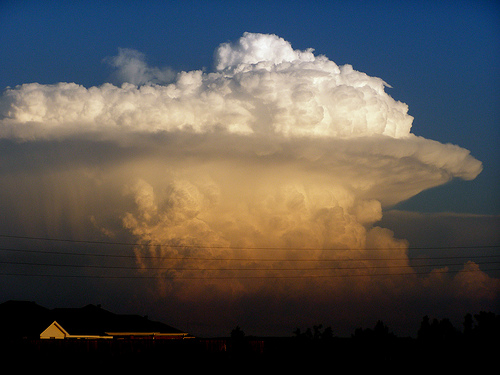
- Recognize the signs of an oncoming thunder and lightning storm - towering clouds with a "cauliflower" shape, dark skies and distant rumbles of thunder or flashes of lightning. Do not wait for lightning to strike nearby before taking cover.
- Look for a large, enclosed building when a thunder or lightning storm threatens. That's the best choice.
- If you are in a car and it has a hard top, stay inside and keep the windows rolled up.
- Avoid small sheds and lean-tos or partial shelters, like pavilions.
- Stay at least a few feet away from open windows, sinks, toilets, tubs, showers, electric boxes and outlets, and appliances. Lightning can flow through these symptoms and "jump" to a person.
- Do not shower or take a bath during a thunder or lightning storm
- Avoid using regular telephones, except in an emergency. If lightning hits the telephone lines, it could flow to the phone. Cell or cordless phones, not connected to the building's wiring, are safe to use.
If you are caught outside: (If you are unable to reach
a safe building or car, knowing what to do can save your life.)
- If your skin tingles or your hair stands on the end, a lightning strike may be about to happen. Crouch down on the balls of your feet with your feet close together. Keep your hands on your knees and lower your head. Get as low as possible without touching your hands or knees to the ground. DO NOT LIE DOWN!
- If you are swimming, fishing or boating and there are clouds, dark skies and distant rumbles of thunder or flashes of lightning, get to land immediately and seek shelter.
- If you are in a boat and cannot get to shore, crouch down in the middle of the boat. Go below if possible.
- If you are on land, find a low spot away from trees, metal fences, pipes, tall or long objects.
- If you are in the woods, look for an area of shorter trees. Crouch down away from tree trunks.
Helping someone who is struck by lightning
When someone is struck by lightning, get emergency
medical help as soon as possible. If more than one person is struck by
lightning, treat those who are unconscious first. They are at greatest risk of
dying. A person struck by lightning may appear dead, with no pulse or breath.
Often the person can be revived with cardiopulmonary resuscitation (CPR). There
is no danger to anyone helping a person who has been struck by lightning - no
electric charge remains. CPR should be attempted immediately.
Treat those who are injured but conscious next. Common
injuries from being struck by lightning are burns, wounds and fractures. (From http://www.health.ny.gov/environmental/emergency/weather/lightning/)
 |
| Lightning Strikes in One Shot |
 |
| Lightning Show at the Grand Canyon |
Links:
 |
| (Google Image) |